April 15, 2026 • Maren Calloway • 9 min reading time • Prices verified June 6, 2026
Painting a Chalkboard Table Surface: Which Paint Sticks, Seasons Right, and Doesn't Ghost After Year One
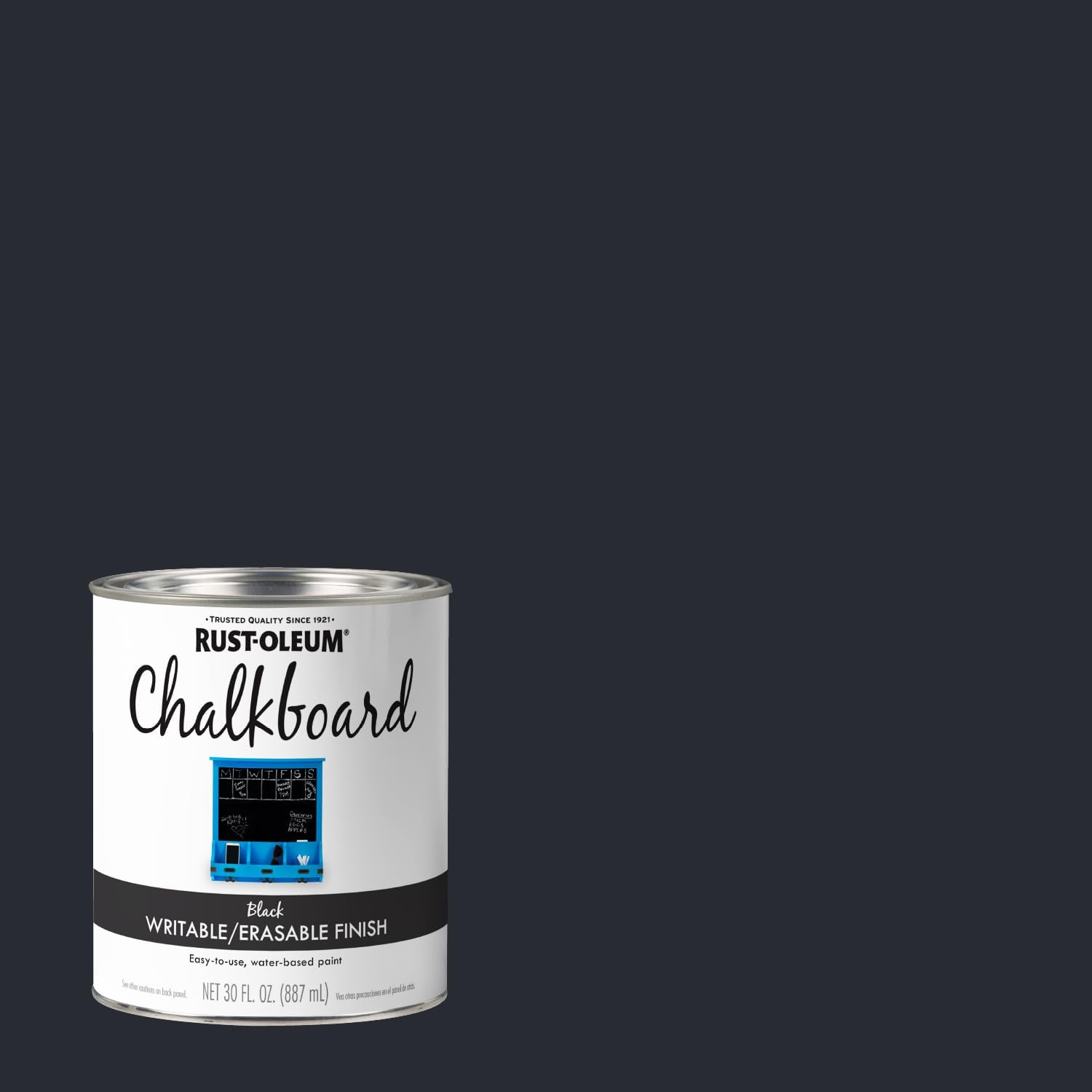
You’ve probably seen it happen: someone picks up a can of chalkboard paint, rolls it onto a table, writes something in chalk that same afternoon, and then a week later — no matter how many times they erase — can still read the ghost of that first message through every new note. That faint, permanent shadow is called ghosting (think of it as a chalk stain baked into the surface), and it’s the single most common reason DIY chalkboard table projects fail. Chalkboard paint is exactly what it sounds like: a specialty paint that dries to a matte, slightly rough finish that chalk can write on and be wiped away. But “wipe-away” only works reliably if you picked the right product for your substrate (the material underneath — wood, MDF, laminate, or metal), prepped the surface correctly, and completed a step called seasoning (covering the entire surface side-to-side with chalk and wiping it off before first real use, so the pores fill evenly and no single spot gets overloaded). Skip any of those three, and you’re refinishing the table again by month six. This guide walks you through every decision point.
The Paint Decision: Four Formulas, Four Different Trade-offs
The market in 2026 has essentially settled around four formula types. Knowing which one you’re buying — and what you’re trading — prevents the most expensive mistakes.
1. Water-based latex chalkboard paint (Rust-Oleum, Krylon, most big-box house brands)
This is the category most DIYers reach for first. Rust-Oleum’s Chalkboard Paint Product Data Sheet lists a recoat window of two hours and a full cure time of 72 hours at 70°F before the surface should be used. Owners across aggregated reviews consistently note that this formula is forgiving on raw wood and MDF but struggles on non-porous laminates and sealed surfaces unless those substrates are scuffed and primed first. Water-based formulas are low-odor, easy to clean up, and available in quart sizes that realistically cover a standard 36” × 20” tabletop twice over.
The trade-off: latex chalkboard paint tends to produce a slightly softer surface than oil-based alternatives. In long-run reviews on home improvement forums, owners of high-traffic kids’ tables note that the surface can show wear at the edges within 12–18 months without a clear-coat sealer — but adding sealer changes the chalk-receptivity (more on that below).
2. Oil-based or alkyd chalkboard formulas
Less common at retail, more common in custom millwork and commercial applications. Published specs from specialty suppliers typically show harder final-cure hardness ratings (measured on the pencil hardness scale) compared to latex. The trade-off is a longer cure window — often 7 full days before seasoning — and stronger solvent requirements for cleanup. For a table that will see daily use in a restaurant or retail display setting, the durability math favors oil-based. For a playroom table used by young children, the odor and cleanup complexity make latex the easier call.
3. Chalkboard spray paint (Krylon Chalkboard Spray, Rust-Oleum spray variants)
Bob Vila’s 2025 chalkboard paint roundup highlights spray formulas as the best option for irregular or detailed surfaces — chair backs, picture frames, smaller accent pieces — where a brush or roller would leave lap marks. For flat tabletops, sprays are workable but require more coats (typically 3–4 light passes versus 2 rolled coats) to achieve even coverage and a consistent writing surface. Owners report that spray-applied surfaces can feel slightly more brittle at the edges if the can is held too close. Manufacturer distance recommendations (usually 12–14 inches) exist for a reason.
4. Chalkboard contact paper
This is technically not paint, but it competes for the same DIY budget and deserves a direct comparison. The Spruce’s editorial coverage on chalkboard surfaces notes that contact paper offers the fastest install (no cure time, no seasoning required by most brands) but has two hard limits: it is not heat-resistant, making it unsuitable for surfaces near any heat source, and the adhesive can lift at edges in humid environments or under heavy use. Write-and-erase performance is also generally lower than a properly seasoned painted surface. Contact paper is appropriate for a temporary installation or a rental where you cannot alter the furniture. For anything permanent, paint is the right tool.
Surface Prep: The Step Everyone Abbreviates
Here’s where most intermediate-level DIYers already know the theory but cut corners in practice. Published guidance from This Old House’s chalkboard surface editorial guide is worth quoting directly in spirit: the substrate prep determines 80% of your outcome. Paint cannot compensate for a surface it won’t bond to.
By the Numbers
| Surface type | Minimum prep | Primer required? | Expected bond quality |
|---|---|---|---|
| Raw or lightly sanded wood | 120-grit sand, tack cloth | Optional but recommended | Excellent |
| MDF (medium-density fiberboard) | 120-grit sand, seal edges | Yes — MDF absorbs unevenly | Very good with primer |
| Laminate or melamine | 220-grit scuff, degrease | Yes — high-adhesion primer | Good if prepped carefully |
| Painted/sealed surface | Full degloss sand | Yes | Moderate; re-sand after prime |
The edge-sealing step on MDF is one that even experienced finishers overlook. MDF’s cut edges are extremely porous and will drink paint unevenly, creating a surface that writes and erases inconsistently right at the boundary. A shellac-based primer or a dedicated MDF edge sealer applied before the chalkboard topcoat closes that problem before it starts.
For laminate, the key ingredient is a high-adhesion primer — not a standard drywall primer, not a PVA. The chemistry is different. Brands like Zinsser BIN (shellac-based) or a bonding primer rated for non-porous surfaces give the chalkboard paint something to grip. Without it, owners consistently report delamination at high-contact zones — the center of the table, the areas where hands rest — within six months.
Seasoning: The 15-Minute Step That Prevents Year-One Ghosting
Seasoning is the single most misunderstood step in DIY chalkboard finishing, and Apartment Therapy’s troubleshooting guide on chalkboard ghost images pinpoints skipping it (or doing it incorrectly) as the primary cause of permanent ghosting. Here is the exact mechanism: a fresh chalkboard surface has microscopic pores that are empty. When you write on an unseasoned surface, chalk particles fill those pores unevenly — the first marks you make essentially set in the deepest available pores and cannot be fully removed with normal erasing.
Seasoning works by pre-filling those pores uniformly before any intentional writing happens.
The correct seasoning process, as synthesized from manufacturer guidance and The Spruce’s step-by-step feature:
- Confirm the paint has fully cured (not just dried). For most latex formulas, this is 72 hours minimum at room temperature. For oil-based formulas, allow the full 7-day cure window. Using the surface before full cure is the second most common failure point.
- Take a full stick of chalk (not chalk markers — actual stick chalk) and lay it on its side.
- Cover the entire surface in horizontal strokes, edge to edge, until every square inch is covered with a light, even layer of chalk dust.
- Wipe off with a barely damp cloth or a proper chalkboard eraser, using circular motions. Do not use paper towels — they can leave micro-scratches.
- Repeat the process in vertical strokes.
- Wipe clean. The surface is now seasoned.
A note on chalk markers: Chalk markers (liquid chalk in a marker form, popular for restaurant menu boards) are not erasable on an unseasoned surface and can cause permanent ghosting even on a seasoned surface if left for extended periods. If your table will see chalk marker use, test in a corner first. Apartment Therapy’s troubleshooting coverage consistently flags chalk markers as the top ghosting culprit on surfaces marketed as “fully erasable.”
The Sealer Question: Durability vs. Write-Ability
Once you have a seasoned, writing-ready surface, the temptation is to lock it in with a clear coat. This is where the trade-off gets honest: most sealers reduce chalk adhesion. A matte polyurethane will extend the surface’s physical durability — resistance to scratching, scuffing, and moisture — but it will also make chalk writing lighter and potentially affect eraseability.
Based on aggregated owner feedback across home improvement communities and Bob Vila’s product coverage, the practical answer is:
- High-traffic tables (kids’ playrooms, restaurant display use): A single coat of matte water-based polyurethane, applied after seasoning, is worth the slight reduction in chalk vividness. The durability gain outweighs the performance cost for surfaces that take daily abuse.
- Decorative or occasional-use tables: Skip the sealer. A properly prepped and seasoned chalkboard surface does not need it, and you’ll get better writing and erasing without it.
- What to avoid: Satin or gloss topcoats. Any sheen level above matte creates a surface that chalk slides off rather than adheres to. This is a hard line.
If X, Then Y: The Decision Rules
By now you have enough information to make a clean call. Here’s the distilled framework:
If your substrate is raw wood or sanded MDF: Use a water-based latex chalkboard paint, two rolled coats, 72-hour cure, season before first use. No sealer needed for light residential use.
If your substrate is laminate, melamine, or a previously sealed surface: Prime with a shellac-based or high-adhesion bonding primer first, no exceptions. Your chalkboard paint will not hold without it.
If the table will see daily commercial or heavy family use: Oil-based formula for maximum surface hardness, or latex with a matte water-based poly topcoat applied post-seasoning.
If you need a zero-downtime solution or a reversible install: Chalkboard contact paper is the only appropriate tool — but set expectations accordingly. Write-erase performance is lower, and edge lift in humid environments is a real risk.
If ghosting appears despite correct seasoning: The most common cause is chalk markers used on a surface not designed for them, or writing on an under-cured surface. In either case, a light resand (220-grit), one fresh coat of chalkboard paint, re-cure, and re-season is the full reset. There is no shortcut that skips the cure window.
The paint decision is actually the smallest part of this project. The prep and the patience to let paint cure before seasoning, and to season before first use, are where the outcome is really determined. Get those right, and the paint choice becomes almost secondary.
ChalkboardTable.com is reader-supported. Some links in our buying guides use affiliate relationships, which we disclose clearly on our [affiliate policy page]. Product recommendations are based on published specs, manufacturer documentation, and synthesized owner reporting — not hands-on testing by our editorial team.